


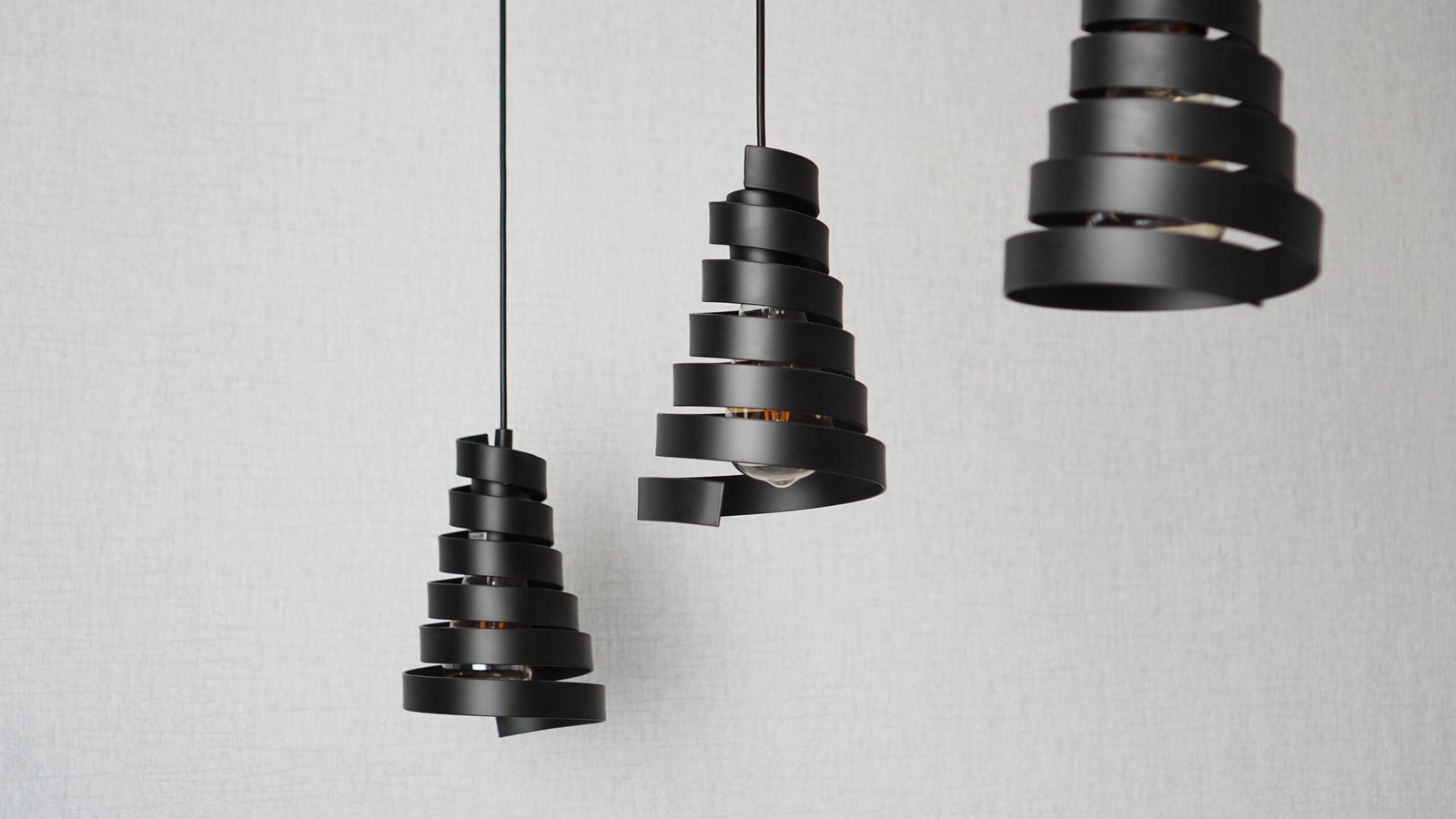
Lighting is often one of the most overlooked elements in interior design. People focus on furniture, wall colors, and flooring—but ignore how light shapes their experience of a space. The truth is, lighting is emotional. It can calm you, energize you, make a room feel spacious or cozy. That’s why lighting with intention isn’t just a design choice—it’s a mindset.
The lamps you choose affect how your home feels, moment by moment. For instance, a warm, dimmed lamp on a side table might instantly create a sense of comfort and calm. On the other hand, a bright, focused light in your study area keeps you alert and productive. It's not just about brightness—it's about tone, placement, and purpose.
Start by thinking about how you use each space. In living rooms, you may want layered lighting: a central overhead light for visibility, paired with table or floor lamps for atmosphere. Bedrooms often benefit from soft, ambient lighting—something that helps you wind down. In contrast, kitchens and workspaces require crisp, functional illumination.
At Lightopia, every lamp is designed with this intention in mind. Whether it’s a sculptural pendant that makes a statement in your dining room, or a minimalist table lamp that fits right into your reading nook, each piece isn’t just decorative—it’s directive. It guides how you interact with your space.
Another factor often missed is the color temperature. Warm light (yellow tones) feels relaxing and intimate, perfect for bedrooms and lounges. Cool light (blue-white tones) increases focus, ideal for workspaces. Choosing the right color temperature can completely shift the mood of a room—no renovation needed.
And let’s not forget design. A lamp’s shape, material, and placement also contribute to mood. A sleek metal arc lamp lends a contemporary, urban edge. A woven bamboo lantern adds a soft, natural touch. Even the shadows that a lamp casts can influence how a room feels.
The beauty of intentional lighting is that it can adapt. You can change how a room feels with the flick of a switch or the move of a lamp. It’s the easiest, most affordable way to transform a space without changing anything else.
So the next time you shop for lighting, don’t just ask, “Does this look good?”
Ask, “How do I want to feel in this space?” Because the right lamp doesn’t just brighten your room—it brings it to life. The beauty of intentional lighting is that it can adapt.
You can change how a room feels with the flick of a switch or the move of a lamp. It’s the easiest, most affordable way to transform a space without changing anything else.
Top